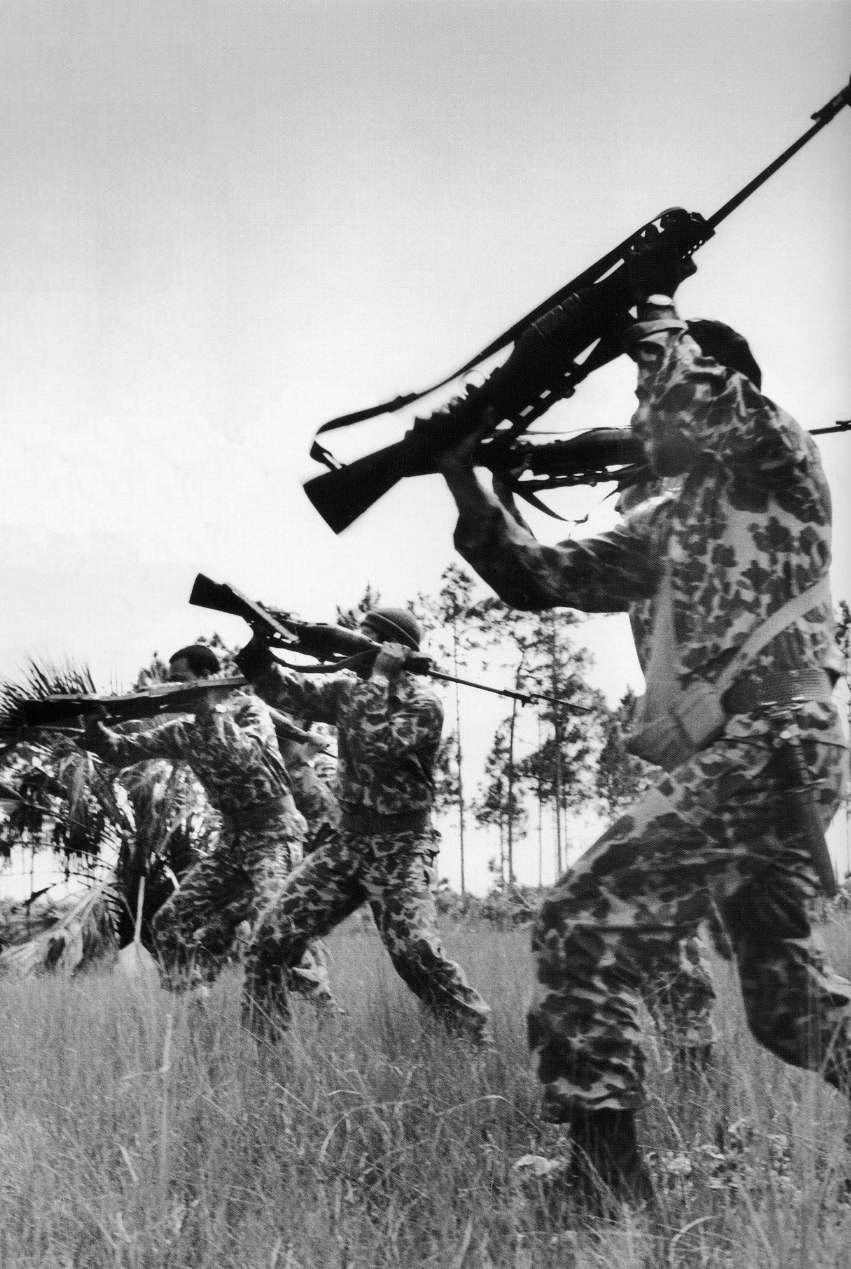
It’s usually not a big deal when we forget to set the right time, like when switching to daylight savings. Perhaps the kids end up at the school bus stop an hour early. Or maybe we arrive at work an hour late. Inconvenient, but not exactly life or death. Failure to set the time right in combat, though, is very much life or death. As seen below, such a screwup was the final nail in the coffin of the 1961 Bay of Pigs Invasion fiasco.
An Optimistic Plan

The United States government never warmed up to Fidel Castro and his followers after their revolution successfully ousted our man in Havana, the dictator Fulgencio Batista, and seized power. Communists in the Caribbean just ninety miles away from Florida gave Uncle Sam the heebie-jeebies. So the US equipped and trained anti-Castro Cuban exiles for an invasion to retake Cuba from Fidel and his Reds. Unfortunately for the would-be liberators, their plan to invade and retake Cuba involved plenty of wishful thinking.
Among other things, the Cuban exiles were convinced – or to be more accurate, the exiles convinced themselves – that they were more popular, and Castro less popular, than was actually the case. They believed that as soon as they landed in Cuba, the Cuban people would rise up, rally to the exiles, and help them overthrow Fidel in a popular counterrevolution. In reality, Castro had far more popular support in Cuba at the time than the exiles were willing to believe. Simultaneously, the exiles were significantly less popular among their fellow Cubans than they had hoped.
An Excess of Wishful Thinking

The Cuban exiles also believed that once the invasion commenced, events on the ground would force the US government’s hand into providing them with far more assistance than what they had actually been promised. They believed once they landed in Cuba, they would be supported by the United States Air Force, with the US Marines right behind them. The aerial cover actually promised Cuba’s would-be liberators was support from sixteen World War II era Martin B-26 Marauder medium bombers, flown by volunteer and CIA contract pilots out of bases in Nicaragua.
The invasion had been planned, and the Cuban exiles assembled and trained, when Eisenhower was president. By the time the invasion was set to start, however, there was a new administration in the White House. The number of bombers assigned to support the invasion was halved to eight when the new president, John F. Kennedy, insisted that the operation be kept minimal. When the exiles disembarked on April 17th, 1961, in Bahia de los Cochinos, or the Bay of Pigs, the eight Marauders turned out to be woefully inadequate.
Failure to Factor in Time Zone Differences

In the invasion’s early hours, the Cuban exiles overran and scattered some local militia in the region. However, Castro soon rallied his forces, and a powerful counterattack was launched. The invaders were pinned down with their backs to the sea, unable to either retreat or advance into Cuba’s interior, and cut to pieces. The invasion was a failure, but Kennedy was willing to make a final gesture to support the exiles: send in the B-26 bombers for another series of strikes.
By then, however, Castro’s were forces were on full alert, and without fighter protection, the bombers’ survival odds were slim. So Kennedy authorized protection by six fighter jets from the aircraft carrier USS Essex. With US Navy markings and other nationality identifiers removed, they were to fly cover over the Bay of Pigs for an hour on April 18th, 1961, to safeguard the bombers as they carried out another strike. Unfortunately for the exiles, that, too, was to end in failure.

By then, the Bay of Pigs Invasion had already gone from failure to fiasco. It was destined to end with a farce. The rendezvous between the carrier’s jets and the B-26s was missed: planners had failed to factor in the one hour time zone difference between Cuba and the bombers’ base in Nicaragua. In the invasion’s final bomber strike, five B-26s sortied to support the exiles. They were intercepted by Cuban fighters who disrupted the aerial attack, and shot down two bombers while they were at it.

_________________
Some Sources & Further Reading
History Halls – How Baseball Helped US Intelligence Track Cubans During the Cold War
History News Network – Failures of the Presidents: JFK’s Bay of Pigs Disaster
Jones, Howard – The Bay of Pigs (2008)

