Napoleon Bonaparte was in a bind in 1805. By then, the French emperor had been at war with Britain for two years. He had a powerful “Army of England”, 210,000 strong, camped in northern France. It was ready to invade, if his navy managed to secure a safe passage across the English Channel. British diplomats had been busy though, and in April, 1805, they convinced Russia to join them in an anti-French coalition. Austria allied with them a few months later, and Napoleon was forced to abandon his dreams of conquering Britain, in order to deal with his enemies in Europe. As seen below, his first major victory in the campaign that followed came thanks to a spy who used fake newspapers to set up an enemy army for destruction at Napoleon’s hands.
Napoleon’s Spy in Vienna

Napoleon’s Army of England became the core of what the French emperor later called La Grande Armee (The Great Army). By 1805, it had grown to 350,000 well-trained, well-equipped, and well-led men. Napoleon wanted to strike the Austrians while they were still on their own, before they were reinforced by Russian armies then on the march to join them. To get to the Austrians from northern France, where La Grande Armee was encamped, Napoleon’s forces would have to go through the Black Forest – a large forested mountain range in southwest Germany.
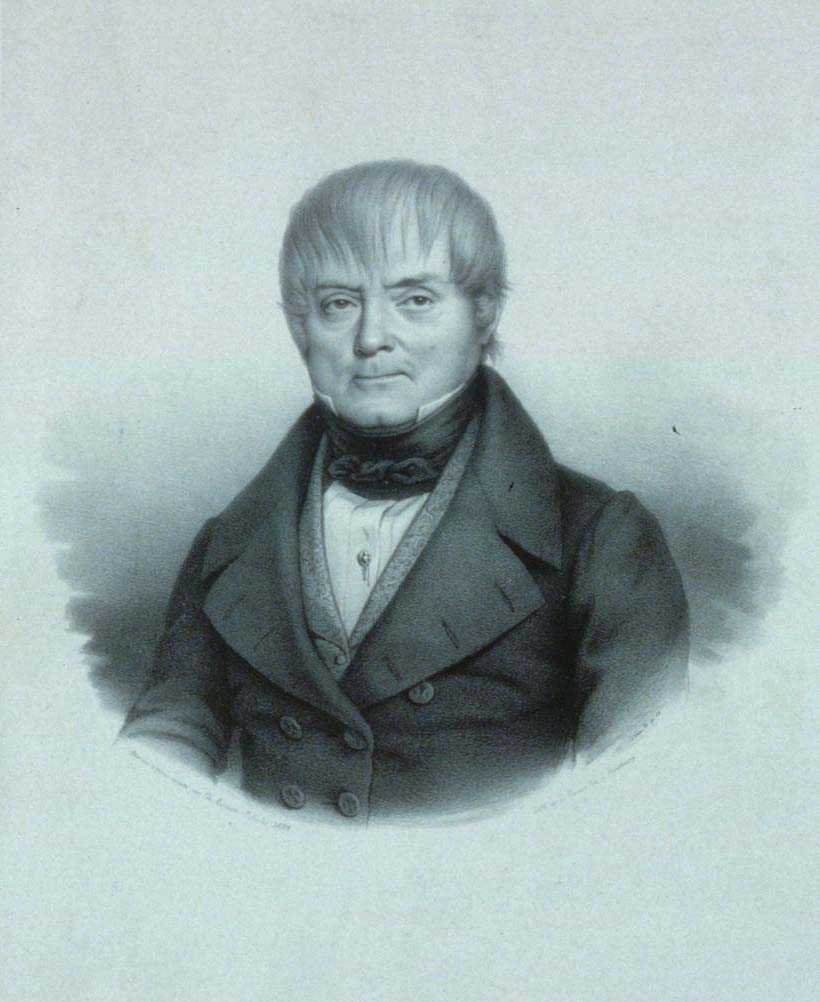
Austrian General Karl Mack von Leiberich sealed off the Black Forest’s gaps, then sat back, planning to sit tight and wait until his Russian allies arrived. The linchpin of Mack’s defense was the fortified city of Ulm, and Napoleon wanted to winkle the Austrian general out of it. So he turned to a spy, Karl Ludwig Schulmeister (1770 – 1853). A German-born smuggler who became a French spy, Schulmeister inveigled his way into Austrian intelligence. He arrived in Vienna in 1805 in the guise of a Hungarian nobleman exiled from France on suspicion of espionage. In the Austrian capital, he met and won the confidence of General Mack, commander of the Austrian army at Ulm.
Dooming an Army With Literal Fake News

General Mack got Karl Schulmeister commissioned as an officer, and put him in charge of military intelligence. Schulmeister immediately began to feed his patron bad information. Napoleon desperately wanted Mack’s army to come out of the well-fortified city of Ulm so it could be more easily destroyed out in the open. A scheme was cooked up to get the Austrian general to do just that. Accordingly, specially printed French newspapers were sent to Schulmeister, that contained fake news about widespread unrest in France. Schulmeister shared that information with Mack, and convinced him that Napoleon had marched back home to restore order.
Napoleon’s spy also informed the Austrian general that the French forces nearby were in full retreat to suppress rebellions in France. Mack jumped at what he believed was an opportunity to attack the French while they were in disarray, and marched out of the Ulm fortifications with his entire army of 72,000 men. The French were not in disarray, numbered 235,000 superbly trained men, and were not marching towards France, but straight at Mack. They fell upon and defeated the Austrians, surrounded the survivors, and forced Mack’s surrender on October 20th, 1805. Out of 72,000 men, the Austrians lost 60,000 killed, wounded, captured, and missing in the Ulm Campaign. The French lost only 2000 men.

_________________
Some Sources & Further Reading
Encyclopedia Britannica – Karl Schulmeister
History Halls – Evelyne Clopet Parachuted Into German-Occupied France in WWII to Fight the Nazis
Maude, Frederic Natusch – The Ulm Campaign, 1805 (1912)

