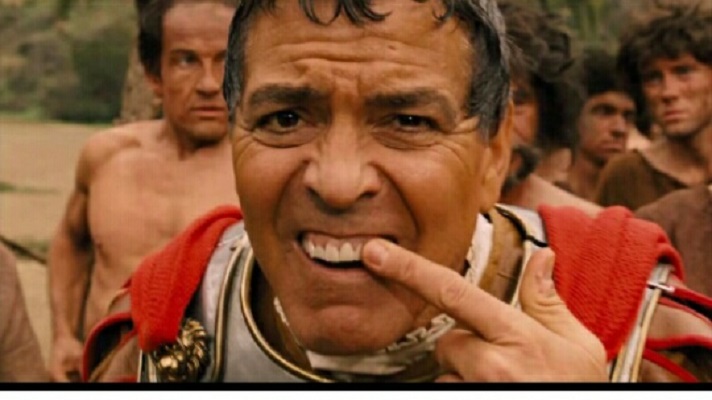
Ancient Roman poet Catullus (circa 84 – 54 BC) once insulted a man named Egnatius, whose smile he disliked. “There’s nothing more foolish than foolishly smiling. Now you’re Spanish – in the country of Spain what each man pisses, he’s used to brushing his teeth and red gums with, every morning, so the fact that your teeth are so polished just shows you’re more full of piss”. The insult was that Egnatius smiled too much, and smiles were presumably worthless. The diss was not that Egnatius cleaned his mouth with piss: as seen below, that was normal and what everybody did in ancient Rome.
Ancient Romans Cleaned Both Their Mouths and Clothes With Pee

Urine’s active ingredient is ammonia, secreted by the body in the form of urea. Today, we use ammonia in many things, from cleaning products to agricultural fertilizers to explosives. Not only does ammonia remove stubborn stains from our bathtubs and ovens, it also leaves our dishes and glasses twinkling. In the modern era, we usually extract ammonia with chemical process that do not rely on pee. The ancient Romans understood the benefits of ammonia, and wanted it. How to get it, though?
The Romans could not turn to modern science and technology to get ammonia like we do today. Instead, they got it from the most readily available source back then: piss. In addition to cleaning their mouths, the ancient Romans put pee to a variety of other uses. The laundry trade, for example, relied heavily on stale urine. In giant public laundries known as fullonica, dirty clothes were placed in vats, where they were soaked in stale urine. Then workers – usually slaves – stomped on them until the stains came out.
The Great Importance of Pee in the Romance Economy

Urine was important in the economy of ancient Rome, and a vital ingredient for many sectors aside from laundry. Other industries for example, such as agriculture and hide tanning, made regular use not only of urine, but of urine mixed with feces. Urine was so important to the ancient Romans’ daily lives and their economy, that pee collection was a big business. As a result, public chamber pots or big vats where anybody could stop and take a piss were commonplace.
In addition to dental hygiene, industrial, and commercial uses, the Romans also used pee for medicinal purposes. Pliny the Elder, for example, praised stale urine for its great effectiveness in the treatment of diaper rashes. He also wrote that fresh urine could treat “sores, burns, infections of the anus, chaps and scorpion stings”. Seen from the hindsight of the twenty first century, remedies that rely on urine might seem gross and disgusting. However, as seen below, they were not useless.
The Pee Tax

In light of the sterile properties of urine – or more precisely, the sterile properties of the ammonia contained in urine – ancient medicinal applications that relied on urine might have actually had something going for them. Pee collection and resale was big business in ancient Rome. Unsurprisingly, as with any economic activity that generates revenue, the pee industry did not escape the attention of the government’s tax collectors. In that, the ancient world was not much different from the modern one.
Ancient Roman tradesmen who specialized in pee collection received special licenses for the privilege, and were taxed accordingly. That was when the government did not directly tax pee. Emperor Vespasian (reigned 69 – 79 AD) imposed a tax on public urinals, which was widely ridiculed. When his son argued that collecting revenue from bodily excreta was beneath imperial dignity, Vespasian held a coin beneath his nose and demanded whether he could smell any urine. He concluded the lesson by remarking: “money does not smell”, a phrase that became a Latin proverb.

_________________
Some Sources & Further Reading
Ancient Origins – Ancient Romans Brushed Their Teeth With Urine
History Halls – Pythagoras Invented a Special Cup to Prank – and Punish – Greedy Wine Drinkers

