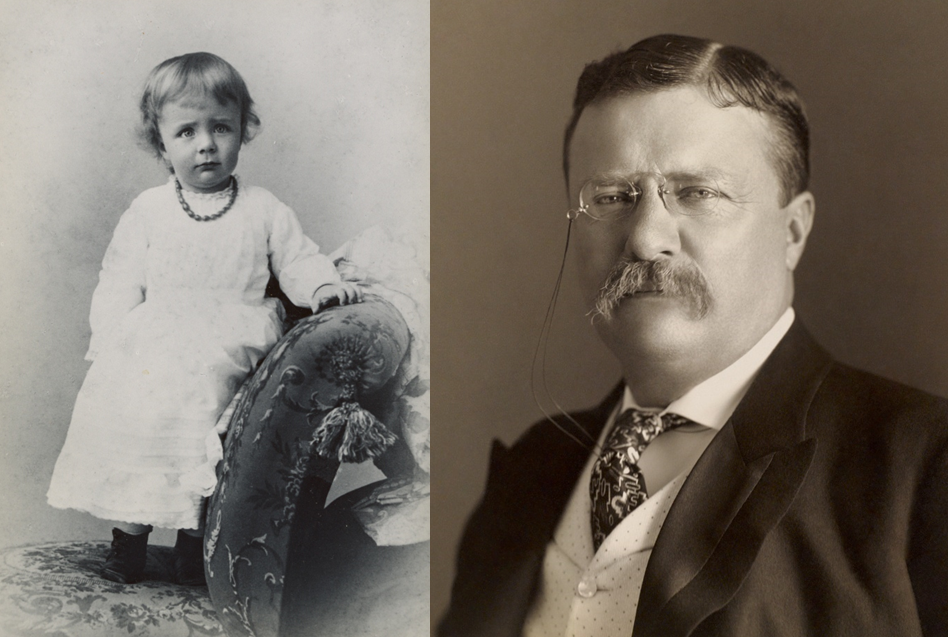
Nowadays we take it for granted that little boys wear pants or shorts, while dresses are relegated to girls. Historically speaking, however, that is a relatively recent fashion development. Until just a few generations ago, little boys wore dresses or skirts just like their sisters. Below are some interesting facts about when it was common to clothe boys in dresses, and how that changed.
Little Boys Were Clothed Throughout Most of History Like Little Girls, in Dresses

Boys wear shorts or pants, while girls are supposed to wear dresses, is as traditional as it gets. Or is it? Most of us grew up with that well-nigh universal fashion convention, but it was not always so. Throughout most of history and until relatively recently, it was common to dress little boys and little girls the same: in skirts or dresses. The clear-cut gender fashion conventions for little kids that we know today did not actually become that clear-cut until the twentieth century. Throughout the Western world until just a few generations ago, it was hard to tell little boys apart from little girls just based on what they wore. All little kids, regardless of gender, were dressed the same – in literal dresses.
There were practical reasons for that, the most important of which had to do with potty training or lack thereof. It was easier to change diapers if kids wore dresses or skirts, than if they were in pants. In the days before zippers and Velcro, pants usually came with complicated fastenings. That made it a hassle to for whoever was taking care of a little boy – especially one still getting the hang of potty training – to take off and put them back on whenever his nappies needed to be replaced. Clothing him in the same kind of open-ended skirt or dress as his sisters made changing diapers easier.
“Breeching”, or Clothing Boys in Pants for the First Time, Used to be a Big Deal

Another important factor that made people prefer dresses over pants for little boys was the economics of it. Clothes were not as affordable as they are today, most people were not as affluent, and kids grow fast. Dresses allowed more room for growth before they were completely outgrown and had to be replaced than did pants. Between that and the ease of access to change diapers and wipe them clean when they had not yet learned how to clean themselves, boys usually wore dresses or skirts until they were around four.
The switch from dresses to pants or shorts took place in a ceremony known as “breeching”. It was eagerly anticipated, especially by the boys who finally got to wear their first distinctly male outfit. Family and friends were invited to a small celebration in which the boy received gifts that often included a toy sword if the parents could afford it. The breeching ceremony marked a transition in which the boy left the care of his mother, and came more under the supervision of his father or other male guardian. Some mothers dreaded that switch, and kept their boys in dresses, skirts, and petticoats, until they were around eight. It was only after World War I that dressing little boys in dresses was ditched, and the current convention of clothing them in accordance with gender finally took hold.

_________________
Some Sources & Further Reading
Amusing Planet – When Little Boys Wore Dresses
Atlas Obscura – For Centuries, People Celebrated a Little Boy’s First Pair of Trousers
History Halls – When Did Pink Become a Feminine Color?

